
Tabla de contenido
If you are researching stem cell Mexico options, you are likely looking for more than a promising headline—you want to understand how regenerative medicine works, what treatments may be available, what questions to ask, and how to evaluate a clinic before traveling.
Mexico has become a destination for patients exploring regenerative medicine, including orthopedic and chronic-pain applications. However, choosing treatment should involve careful medical evaluation, realistic expectations, informed consent, and a clear understanding of potential risks.
What Is Stem Cell Therapy in Mexico?
Stem cell therapy is a branch of regenerative medicine that investigates how cells and their biological signals may support tissue repair, inflammation control, and recovery.
Rather than thinking of stem cells as a universal cure, it is more accurate to view regenerative medicine as a developing field with different applications at different stages of clinical evidence. Treatments may involve different cell sources and administration methods, depending on the patient’s medical condition and treatment plan.
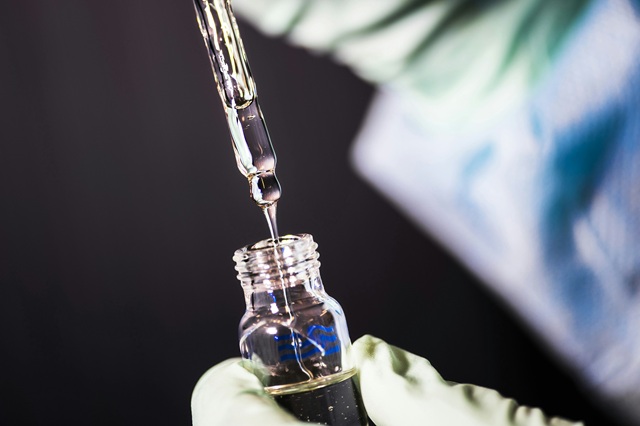
At Beyond CellCare, the clinic states that it uses adult mesenchymal stem cells derived from perinatal tissues and that donor and cellular quality are evaluated through laboratory processes.
Importantly, regulatory status differs by country. The FDA states that many regenerative medicine products marketed in the United States have not been approved for orthopedic conditions, including back pain, and warns consumers to investigate the evidence and regulatory status of treatments carefully.
How Do Mesenchymal Stem Cells Work?
Mesenchymal stem cells are being studied for their ability to influence the local cellular environment through signaling molecules and other biological mechanisms.
Beyond CellCare describes its approach as focusing on cellular signaling, including anti-inflammatory and tissue-repair mechanisms, rather than simply assuming that injected cells transform directly into replacement tissue.
That distinction matters. Regenerative medicine should be discussed in terms of the specific biological mechanism, clinical evidence, and patient indication—not as a guaranteed regeneration or cure.
Stem Cell Mexico: What Treatments May Be Considered?
The appropriate treatment depends on the patient’s diagnosis, medical history, imaging, medications, and overall health.
Regenerative medicine programs may investigate or offer approaches involving:
- Orthopedic and musculoskeletal conditions
- Dolor Crónico
- Belleza, Antienvejecimiento
- Tratamientos Oftalmológicos
- Neurological conditions
- Autoimmune and inflammatory conditions
- Afecciones Pulmonares y Respiratorias
Patients should not assume that a treatment offered for one condition has the same evidence or expected outcome for another. The ISSCR cautions against broad claims that the same cell treatment can effectively address unrelated diseases.
Stem Cell Injections for Back Pain: What Should Patients Know?
Stem cell injections for back pain are attracting interest from people who have persistent symptoms associated with spinal or musculoskeletal problems.
The proposed rationale is that regenerative therapies may influence inflammation and the biological environment around injured or degenerative tissues. However, back pain has many possible causes, including muscle injury, disc degeneration, nerve compression, spinal stenosis, arthritis, and other conditions. A treatment appropriate for one diagnosis may not be appropriate for another.
Beyond Cellcare has a dedicated program discussing stem cell injections for back-related conditions and emphasizes individualized treatment planning.
Patients considering this option should first determine:
- What is causing the back pain?
- What conventional treatments have already been attempted?
- Is the proposed stem cell treatment supported by meaningful clinical evidence for that specific condition?
- What cells are being used and where do they come from?
- How are the cells processed and tested?
- What are the potential risks and alternatives?
- What follow-up care will be available after treatment?
The FDA currently states that regenerative medicine products have not been approved in the United States for orthopedic conditions such as disc disease or back pain.
Potential Benefits of Regenerative Medicine
Potential benefits depend heavily on the condition being treated and the treatment protocol. Regenerative medicine research is investigating mechanisms such as inflammation modulation, tissue repair signaling, and support for the body’s natural healing processes.
For appropriately selected patients, potential goals may include:
- Supporting tissue-repair processes
- Modulating inflammatory responses
- Improving function or mobility
- Reducing symptoms in selected conditions
- Exploring alternatives when conventional approaches have been insufficient
These should be considered potential treatment goals, not guaranteed outcomes. Individual results can vary, and evidence for regenerative therapies differs substantially between medical conditions.
What to Look for in a Stem Cell Clinic in Mexico
Traveling for medical treatment requires more due diligence than simply comparing treatment prices.
A reputable provider should be prepared to explain the treatment in understandable language and provide information about the cells, laboratory procedures, medical team, risks, alternatives, and follow-up.
Safety, Evidence, and Realistic Expectations
Stem cell therapy should never be presented as completely risk-free. The ISSCR notes that stem cell-based interventions can involve risks including immune reactions, acute infusion-related effects, and, depending on the product and circumstances, tumor-related concerns.
The FDA has also reported serious adverse events associated with some unapproved regenerative medicine products, including infections and other complications.
This does not mean every regenerative medicine treatment is unsafe. It means patients should distinguish between legitimate medical evaluation and evidence-based development and exaggerated claims promising guaranteed cures.
A responsible consultation should address expected benefits, limitations, alternatives, potential complications, and what happens after treatment.
Planning Stem Cell Treatment in Mexico
For international patients, treatment planning involves both medical and practical considerations.
Before traveling, request a detailed evaluation and understand the proposed protocol. Bring relevant medical records, imaging, medication information, and previous treatment history. Ask how long you should remain in Mexico and how follow-up will be handled after returning home.
Do not stop prescription medications or alter an established treatment plan without discussing it with your treating physician. Beyond Cellcare likewise states that medication decisions are individualized and should be discussed with Dr. Fonseca before treatment.

FAQ’s | Stem Cell Mexico: Your Complete Guide to Regenerative Medicine
Is stem cell therapy in Mexico FDA-approved?
FDA approval applies to products and uses under U.S. regulatory jurisdiction. The FDA states that stem cell products marketed in the United States generally require approval and that regenerative medicine products have not been approved for orthopedic conditions such as back pain. Treatment performed in Mexico is not FDA-approved simply because it is offered by a Mexican clinic.
Are stem cell injections for back pain proven to work?
Evidence varies by diagnosis, cell type, administration method, and protocol. Stem cell injections for back pain remain an area of ongoing research, and patients should evaluate evidence specific to their condition rather than relying on generalized claims about stem cells.
What type of stem cells does Beyond CellCare use?
Beyond CellCare uses adult mesenchymal stem cells (MSCs) derived from perinatal tissues, including umbilical cord and placenta. The clinic states that donors and cell batches undergo screening and biosafety testing before the cells are used in treatment.
How do I know if I am a candidate for stem cell therapy?
Candidacy depends on your condition, medical history, current medications, previous treatments, and overall health. A physician should review your case before recommending a regenerative medicine protocol. Stem cell therapy is not appropriate for every patient or every medical condition.
Are stem cell treatments regulated in Mexico?
Stem cell and regenerative medicine treatments in Mexico operate within the country’s healthcare regulatory framework, which includes oversight by COFEPRIS. Patients considering treatment should ask the clinic to explain which authorizations and regulatory requirements apply to the specific therapy being proposed.