Table of Contents
Stem cell therapy for autism is emerging as a promising option for families seeking innovative treatments beyond traditional therapies. This approach leverages regenerative medicine to potentially address underlying neurological and immune challenges associated with autism spectrum disorder (ASD).
Understanding Autism and Stem Cell Potential
Autism spectrum disorder affects communication, behavior, and social interaction, impacting about 1 in 36 children in the US. Stem cell therapy for autism targets root causes like neuroinflammation, poor brain oxygenation, and immune dysregulation, which research links to ASD symptoms.
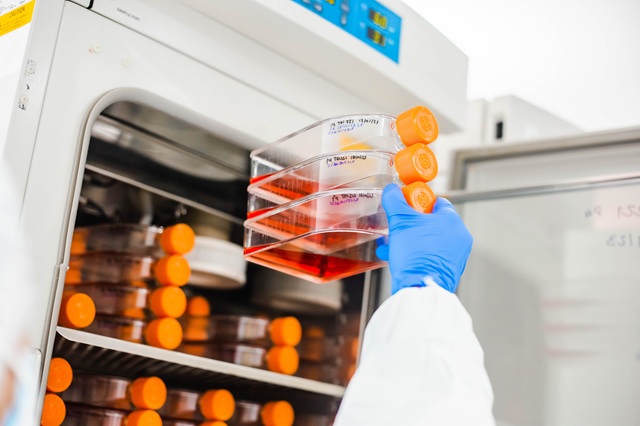
Stem Cell Therapy Studies, including meta-analyses, indicate improvements in behavior, speech, and social skills in many treated children.
Treatment Options in Stem Cell Therapy for Autism
Several delivery methods exist for stem cell therapy for autism, tailored to maximize brain access.
- Intravenous (IV) infusion: Delivers MSCs (Mesenchymal Stem Cells) systemically to reduce inflammation and support overall repair.
- Intrathecal injection: Administers cells directly into the spinal canal for targeted brain delivery.
- Combined approaches: Often paired with supportive therapies like speech or occupational therapy for holistic gains.
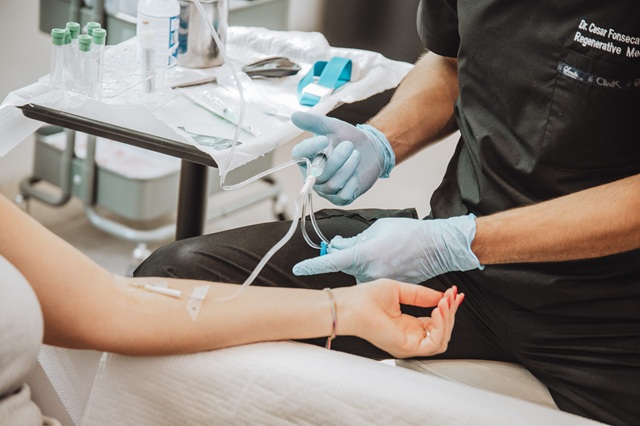
Clinical trials and observational data report safety, with MSCs demonstrating paracrine effects—releasing growth factors to enhance neuroplasticity without major adverse events.
Stem Cell Therapy Mexico: A Leading Destination
Stem cell therapy in Mexico has gained traction due to advanced clinics offering high-quality, affordable treatments. Facilities in Tijuana and other hubs use autologous or allogeneic MSCs, reporting behavioral improvements in patients.
Mexico’s regulatory environment supports innovative protocols, attracting international patients. Success stories highlight gains in communication and emotional response post-treatment.
Key Benefits of Stem Cell Therapy for Autism
This therapy offers targeted benefits by addressing ASD’s biological underpinnings.
Stem cells reduce chronic gut and brain inflammation, common in autism, leading to better focus and reduced stress. Patients often show enhanced social interaction, speech development, and adaptability, with some studies noting up to 80% reporting meaningful improvements.
Long-term follow-ups reveal sustained progress in daily functioning, complementing conventional interventions.
Why Choose Beyond Cell Care for Stem Cell Therapy
Beyond Cell Care stands out as a top provider for stem cell therapy for autism, blending cutting-edge protocols with personalized care. Visit us to explore their expertise in regenerative treatments.

Their approach uses rigorously selected MSCs, akin to “Golden Cells,” ensuring potency for neurorepair. Patients benefit from comprehensive evaluations, multimodal delivery, and follow-up support, positioning Beyond Cell Care as a leader—especially accessible via stem cell therapy Mexico options.
Personalized Neurological Treatment Approach
All treatment plans are carefully tailored to each patient’s specific diagnosis and current medical condition to ensure the most effective therapeutic strategy. Neurological treatments typically involve a combination of systemic stimulation through intravenous (IV) therapy alongside targeted Central Nervous System (CNS) stimulation.
This may include intrathecal injections and/or the application of intranasal exosomes (MSC-Exo), depending on the patient’s needs. Each procedure and its potential benefits are thoroughly explained during a personalized consultation with Dr. Fonseca, ensuring patients clearly understand the recommended approach before beginning treatment.
FAQs | Stem Cell Therapy for Autism: Treatment Options, Benefits & Research
Is stem cell therapy for autism FDA-approved?
How many treatments are typically needed?
At what age is stem cell therapy best for autism?
How soon do benefits appear?
Improvements can start in weeks, peaking at 6-12 months.