Table of Contents
If you are researching stem cell therapy in Guadalajara, Mexico, start with the questions that matter most: What condition is being treated? What kind of cells or product would be used? What evidence supports that specific use? And what are the risks and alternatives?
Stem cell research is advancing, but a treatment studied for one condition cannot automatically be assumed to work for another. A consultation should help you understand what is known, what remains uncertain, and whether a proposed intervention is appropriate for your situation. If you are traveling from another country, you should also have a plan for follow-up care after you return home.
What Does “Stem Cell Therapy” Mean?
“Stem cell therapy” is a broad term. Cell source, preparation, dose, route of administration, and intended medical use can differ substantially between providers and conditions. It is more useful to ask about the exact intervention being proposed than to assume all stem cell procedures have the same evidence or safety profile.
Some stem cell treatments have established medical uses, while many applications advertised for orthopedic or other conditions remain under investigation. The International Society for Stem Cell Research (ISSCR) guide for patients explains the difference between approved, investigational, and unproven interventions.
Beyond CellCare states that it works with donor-derived mesenchymal cells obtained from perinatal tissues. Before deciding on any procedure, ask the treating physician to explain the specific cell source, how the product is prepared and tested, and why it is being considered for your diagnosis. You can learn more about the clinic’s approach in its guide to stem cell treatment in Mexico.
What About Stem Cell Injections for Shoulder Pain?
Shoulder pain can have many causes, including tendon injury, arthritis, or other conditions that require different care. A clinician may review your history, examination, and imaging before discussing options such as rehabilitation, medication, other procedures, or surgery when indicated.
Cell-based treatments for shoulder conditions are an area of research. They should not be described as proven to rebuild a torn tendon, replace cartilage, or eliminate the need for surgery. The American Academy of Orthopaedic Surgeons notes that evidence supporting stem cell treatments for orthopedic conditions remains limited. In the United States, the FDA states that regenerative medicine products have not been approved for orthopedic conditions, including shoulder pain. U.S. FDA status does not itself determine the regulatory status of a procedure offered in Mexico; ask the clinic to explain the requirements and authorizations applicable to the specific intervention there.
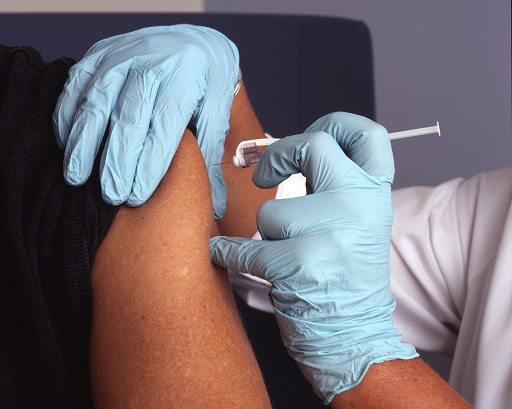
If you are considering an injection for a shoulder problem, ask what evidence applies to your diagnosis and the exact product and protocol. No clinician can promise a particular degree of pain relief, tissue repair, or recovery time for every patient.
Planning a Consultation in Guadalajara
A useful consultation goes beyond determining whether you can travel for a procedure. Bring your diagnosis, relevant imaging, medications, prior treatments, and questions about your goals. Your physician should explain why a particular approach is being considered, the alternatives, and the uncertainties in the available evidence.
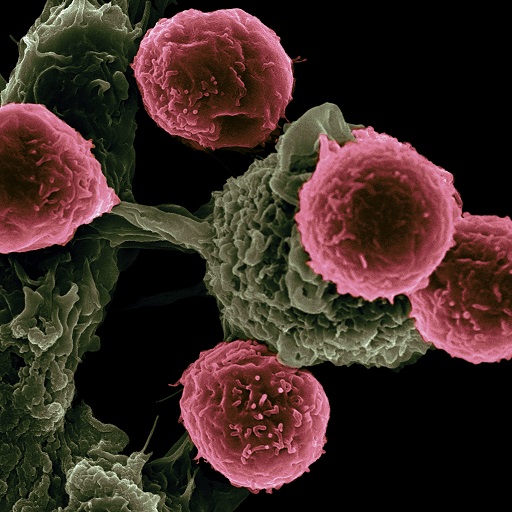
Ask for a written explanation of the cell product, proposed administration route, possible adverse effects, expected follow-up, and what to do if symptoms worsen. If you live outside Mexico, arrange for your local healthcare professional to receive relevant records and know whom to contact after you travel home.
To learn about the clinician featured by the clinic, see Dr. Cesar Fonseca’s profile. Professional credentials, the precise protocol, and any facility or product authorizations should be confirmed directly before treatment.
Risks, Costs, and Realistic Expectations
No injection or infusion is risk-free. Potential concerns may include infection, reactions to an administered product, or complications associated with the route of administration. The risk profile depends on the product, procedure, patient, and quality controls. Ask how the clinic screens donors and batches, documents handling, obtains informed consent, and manages adverse events.
Cost is also individualized. Request a written estimate specifying the consultation, procedure, testing, medicines, follow-up visits, and any additional expenses. Travelers should account for transportation, accommodation, and follow-up care at home. A lower price alone cannot establish that an intervention is effective or suitable for you.
Frequently Asked Questions
Is stem cell therapy for shoulder pain proven to work?
Research is ongoing, and the evidence varies by diagnosis and product. Cell-based injections should not be presented as a proven way to repair all shoulder injuries. Ask your physician what clinical studies support the exact intervention being proposed for your condition and what other treatments are available.
Is a stem cell procedure in Guadalajara FDA-approved?
The FDA regulates products and uses under U.S. jurisdiction; a procedure performed in Mexico is not FDA-approved merely because it is available there. The FDA says regenerative medicine products have not been approved in the United States for orthopedic conditions such as shoulder pain. Ask the provider which Mexican requirements apply to the specific product and procedure, and request supporting documentation.
What kind of cells does Beyond CellCare say it uses?
The clinic describes donor-derived mesenchymal cells from perinatal tissues. The treating physician should confirm the exact source, preparation, testing, and intended use for your individual treatment plan. A description on a website does not replace that discussion or independently verify a specific batch.
Can stem cell injections replace shoulder surgery?
Not as a general rule. Whether surgery is appropriate depends on the diagnosis, severity, function, prior treatment, and patient goals. An injection should not be presented as an equivalent substitute for a recommended operation without evidence specific to that condition and a discussion with a qualified clinician.
How long does recovery take?
There is no reliable universal timeline. Aftercare and return to activity depend on the procedure and your condition. Request written instructions and a follow-up plan from your treating team before scheduling travel.
How much does stem cell therapy in Guadalajara cost?
The total depends on the proposed protocol and what services are included. Ask for an itemized quote and clarify travel, imaging, medications, follow-up, and possible complication-related expenses before making a decision.
Take the Next Step With Clear Information
If you would like to discuss a possible treatment in Guadalajara, contact Beyond CellCare to request a medical consultation. Share your diagnosis and available records, and ask for an explanation of the evidence, alternatives, risks, regulatory status, total cost, and follow-up plan for the intervention being considered. A decision should follow an individual clinical evaluation and informed consent.